The focus of this photograph set is Windows. These are in Wimberley, Texas.

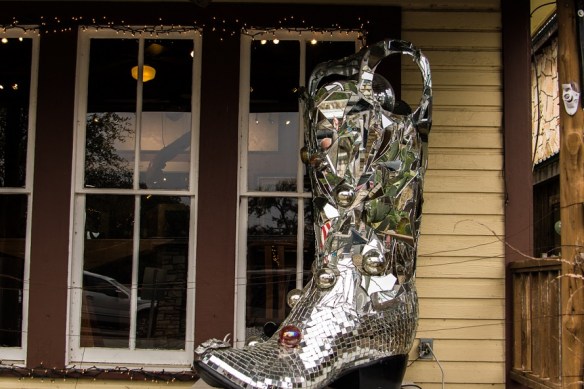
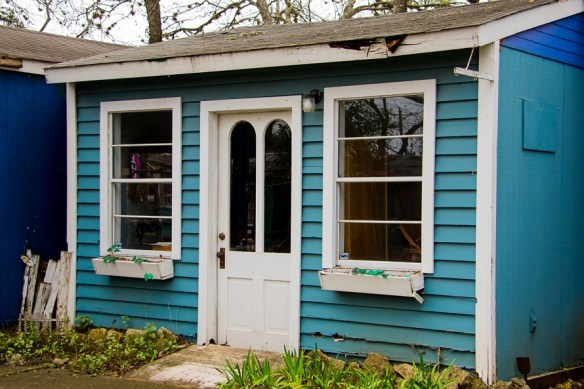
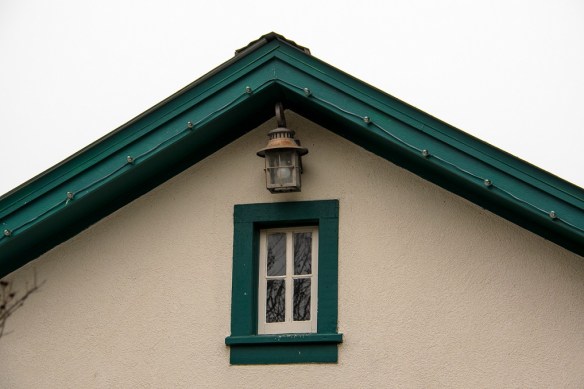

The focus of this photograph set is Windows. These are in Wimberley, Texas.
My focus for this set of photographs was “one line.” The object was to photograph one line. How hard can it be?
Any time I ask that question, the automatic answer is: Harder than I thought.
Lots of things I thought were only one line weren’t. For example, the edge of my house. One edge (corner), one line, right? Except for the lines of the bricks. The power line coming into the utility pole. One line, right? No, two power lines. Ah, the utility pole. I know there is only one utility pole. True, but it also has a metal pole alongside housing wires going into the box; that makes two lines. Here are some photos of objects I photographed in my search for Only One Line.
This is a ceiling beam. In my mind, I saw the beam going across, not noticing all the others. (I also thought this photo was in focus.)

~~~~~~~~~~~~~~~~~~~~~~~~~~~~~~~~~~~~~~~~~~~~~~~~~~~~~~~~~~~~~~~~~~~~~~~~~
I really like this photo. One line, a silhouette against the clouds. Then I looked at it on the computer screen and saw all those hydraulic and supporting arms (little lines).

~~~~~~~~~~~~~~~~~~~~~~~~~~~~~~~~~~~~~~~~~~~~~~~~~~~~~~~~~~~~~~~~~~~~~~~~~
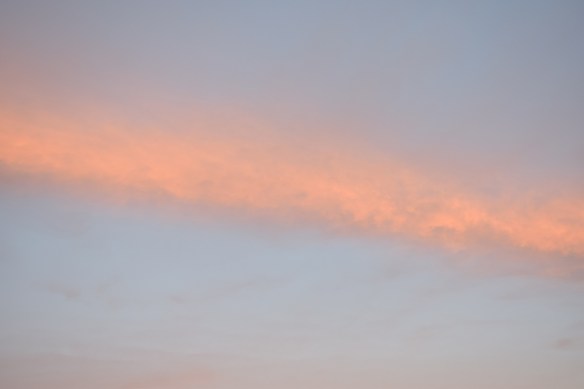
One fuzzy line of clouds. And lots of little wispy clouds.
~~~~~~~~~~~~~~~~~~~~~~~~~~~~~~~~~~~~~~~~~~~~~~~~~~~~~~~~~~~~~~~~~~~~~~~~~
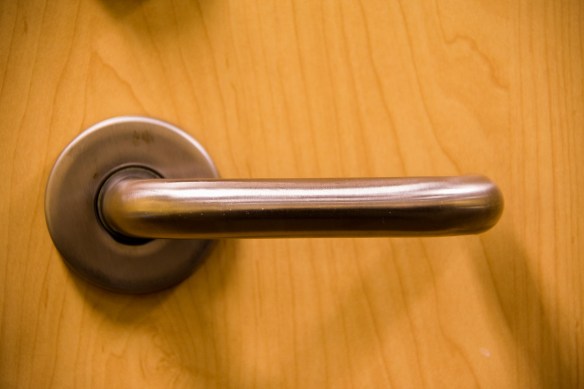
A door handle. One big, shiny line. Not counting the line of the circle where it attaches to the door. And not counting the lines of the wood grain.
~~~~~~~~~~~~~~~~~~~~~~~~~~~~~~~~~~~~~~~~~~~~~~~~~~~~~~~~~~~~~~~~~~~~~~~~~
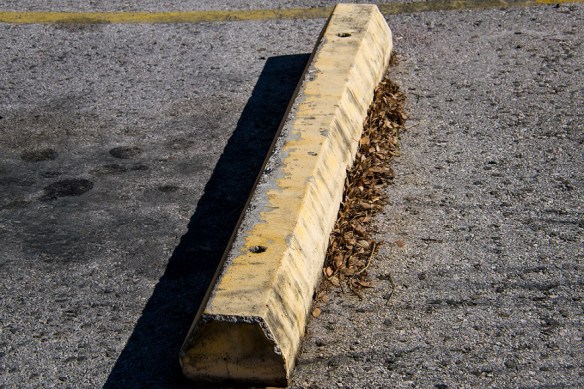
One parking barrier. And its shadow’s line. And the yellow line of the parking space.
~~~~~~~~~~~~~~~~~~~~~~~~~~~~~~~~~~~~~~~~~~~~~~~~~~~~~~~~~~~~~~~~~~~~~~~~~
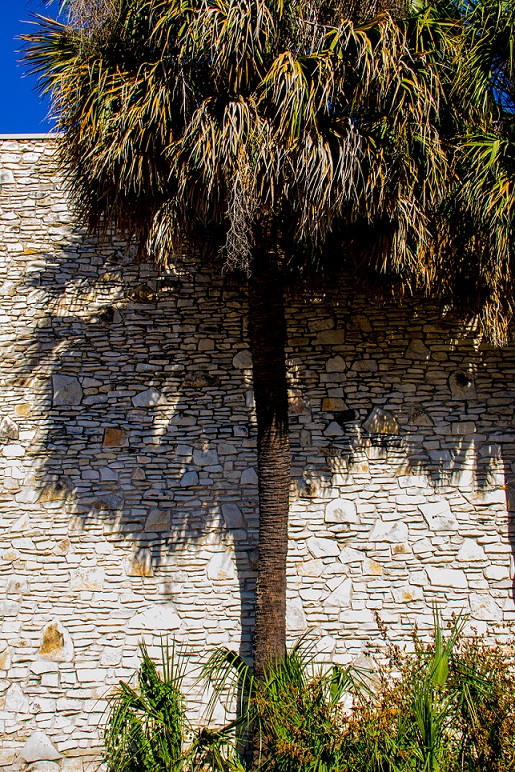
One tree. I just knew this was going to be my one line photo. Turns out it is one line among thousands. Didn’t I notice all the lines in the rock wall? No. How about the leaf lines. No. The roof line? No. The lines of the tree shadows? Once again, no, I didn’t notice them while photographing it. I had decided the scene contained one line (the tree trunk) and that’s what I saw. I’m beginning to understand the issues with eye-witness accounts of crimes.
~~~~~~~~~~~~~~~~~~~~~~~~~~~~~~~~~~~~~~~~~~~~~~~~~~~~~~~~~~~~~~~~~~~~~~~~~
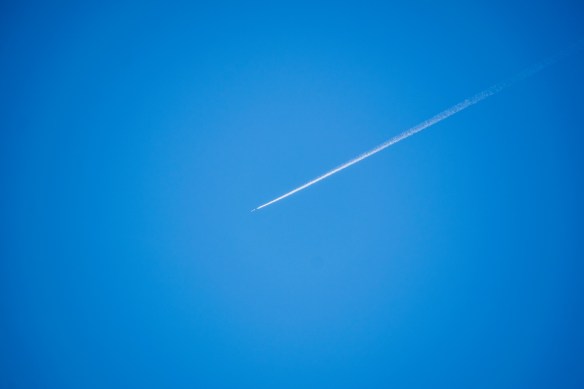
Here’s the only photo I took with only one line it it: a vapor trail. Finally!
I was working on focusing on an object in the foreground while making the background fuzzy.
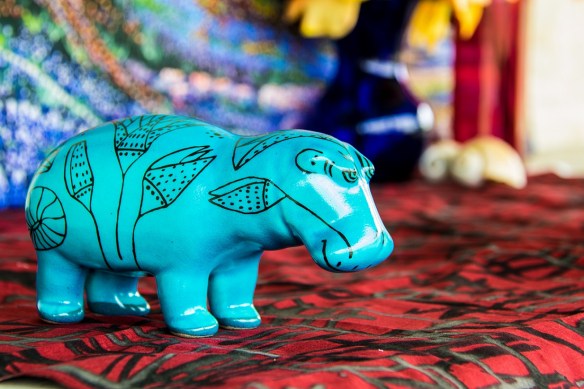
A replica of an Egyptian statuette from Dynasty 12, ca. 1961–1878 B.C., at the Metropolitan Museum of Art
The Friday Fictioneer Challenge: Write a 100-word story based on the photo.

Photo copyright Shaktiki Sharma
Silhouette
Carol tried to hide behind her camera. Standing as far away as she could, hoping no one would notice, she photographed people as silhouettes, two-dimensional beings, dark contrasted against light.
Over time, however, her camera became her connection to people instead of a shield. The individuals she photographed often came up to her with comments and questions about her work, about her. To them, she wasn’t just a shadow.
Eventually, Carol reconsidered her tactics. Stepping out of the darkness, she approached people, asking permission to photograph them, finding a universe of uniqueness, a fullness detailed in her newly discovered light.
~~~~~~~~~~~~~~~~~~~~~~~~~~~~~~~~~~~~~~~~~~~~~~~~~~~~~~~~~~~~~
To read other Friday Fictioneer stories based on this photo, select the smiley blue frog.

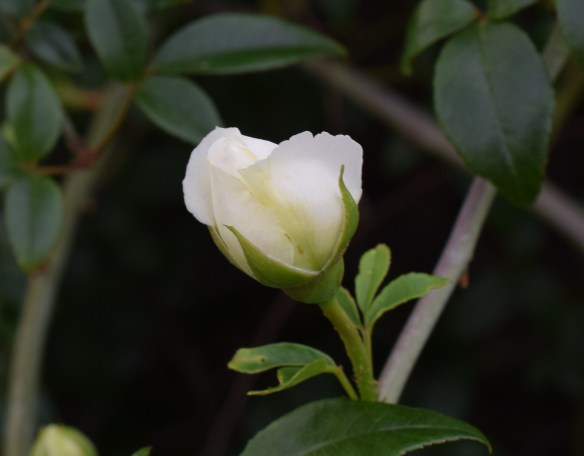
Our white Lady Banks rose bush is starting to bloom. I took the opportunity to learn more about how to use my camera. Over several sessions, I must have taken close to 100 photos of the same three or four flowers. Mostly what I learned is white flowers wash out easily.
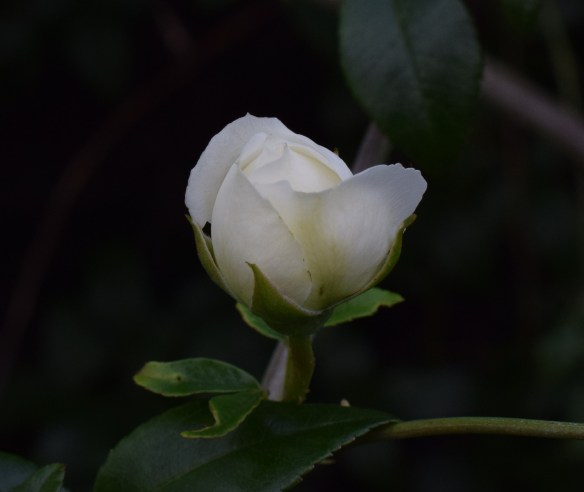
Modes I used: aperture, manual, automatic without flash, close-up flower (which popped up the flash and really washed out the roses). Interestingly, the best results I had were in manual mode, when I intentionally underexposed the rose just a little. I didn’t think I’d ever use manual mode successfully; I have taken lots of overexposed photos in manual mode. I still have a lot to learn.
 It's a long story ...